







Search Results for: Barrel Export
A Detailed Guide to Jamaica Blue Mountain Coffee Grading and Barrel Export Standards
Jamaican law explicitly stipulates that only coffee beans originating from the Blue Mountain region may be labeled as Blue Mountain Coffee. High-grade Blue Mountain Coffee is classified by bean size into three grades—No. 1, No. 2, and No. 3. Although they differ in size, their cup profile must be confirmed by government-approved professional tasters to ensure consistent quality. These green beans must be shipped in wooden barrels for export, with the barrel bearing information such as the estate name, importer's initials, lot number, and port of arrival. Importers also receive a green certificate of origin. The Jamaican government also imposes strict export restrictions on defective beans and coffee with flavor issues. The virtues of Front Street Coffee's Blue Mountain Coffee can only be fully revealed at a specific roast level. This article will provide a detailed analysis of Blue Mountain Coffee's grading system, export packaging standards, and certificate of origin system to help enthusiasts distinguish authentic from counterfeit. [more…]
Understanding Coffee Bean Grading Standards Through Blue Mountain Coffee: Screen Size, Barrel Packaging, and Export Regulations Explained
Jamaican Blue Mountain coffee is globally recognized as one of the top coffees, but do you know how it is graded? This article will guide you through the basis for grading Blue Mountain coffee—screen size—and the strict cupping confirmation process. From No. 1 to No. 3, coffee beans of different screen sizes show no difference in taste, but there is a distinction between wooden barrels and burlap sacks for green bean packaging. Barrel-packed Blue Mountain coffee also comes with a certificate of origin, and the barrel is printed with information about the estate and importer. In addition, the Jamaican government has clear regulations on the export of defective beans and coffee beans with taste issues. Front Street Coffee reminds you that understanding this grading knowledge helps in identifying authentic Blue Mountain coffee. [more…]
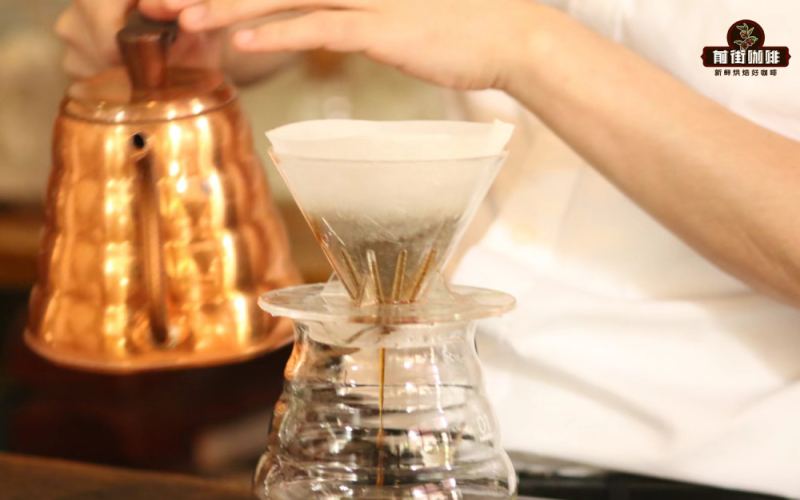
A Comprehensive Analysis of Jamaican Blue Mountain Coffee Bean Grading Standards and Barrel Export System
Blue Mountain coffee, as a representative of the world's top specialty coffee, has extremely strict origin protection systems and grading standards. Jamaican law stipulates that only coffee produced in the Blue Mountain region may bear the name Blue Mountain. High-grade Blue Mountain coffee is classified by screen size into No. 1, No. 2, and No. 3 grades, and all must be exported in wooden barrels. This article will provide a detailed explanation of the basis for Blue Mountain coffee's grade classification, wooden barrel packaging specifications, the certificate of origin system, and export restrictions on damaged and defective beans, helping coffee enthusiasts fully understand the key points for identifying authentic Blue Mountain coffee. Front Street Coffee reminds you that when purchasing Blue Mountain coffee, pay attention to the roast level and import channels to avoid buying inferior products passed off as genuine ones. [more…]
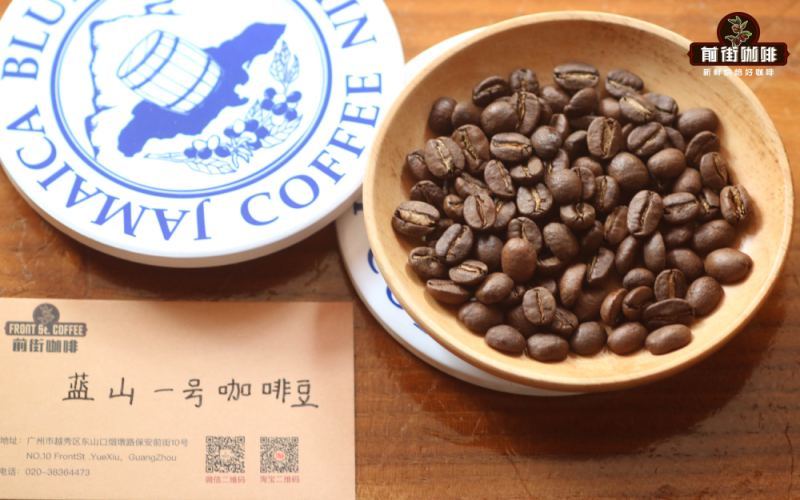
A Detailed Explanation of the Jamaican Blue Mountain Coffee Grading System: From Altitude to Green Bean Export Specifications
Blue Mountain coffee enjoys a stellar reputation in the global coffee world, but many people are unaware that it is merely one category within Jamaica's coffee system. The Jamaica Industrial Board classifies coffee into three grades based on growing altitude, and the Blue Mountain grade is further subdivided into No. 1 through No. 3 and peaberry. Authentic Blue Mountain No. 1 has limited production and commands a high price, with green beans required to be 17/18 screen size and a defect rate below 2%. Front Street Coffee will guide you through Blue Mountain coffee's grade classifications, export barrel specifications, certificates of origin, and the quality differences behind various roasting methods, helping you gain a clearer understanding of this legendary coffee. [more…]
A Detailed Guide to Jamaican Blue Mountain Coffee Grades: Grade 1, Grade 2, Grade 3 Specifications and Authentic Price Reference
Jamaican Blue Mountain coffee is world-renowned for its unique flavor and strict controls. Jamaican law stipulates that only coffee beans grown in the Blue Mountain region may bear the name "Blue Mountain." High-grade Blue Mountain coffee is divided into three grades—No. 1, No. 2, and No. 3—corresponding respectively to screen size standards of 17–18 mesh and above, 16 mesh, and 15 mesh. The green beans of all three grades must be packed into wooden barrels for export, with the barrel bearing the estate name, importer's abbreviation, and batch information, along with a government-certified green certificate of origin. Understanding these grades and export regulations helps coffee enthusiasts verify authenticity and make informed purchases of genuine Blue Mountain coffee. Front Street Coffee recommends that consumers pay attention to the roast level and packaging format to judge the true quality of the Blue Mountain coffee in their hands. [more…]
A Comprehensive Interpretation of Jamaican Blue Mountain Coffee Grading Standards and the Flavor Characteristics of No. 1 Beans
Blue Mountain Coffee, as a representative of the world's top specialty coffee, has always attracted attention for its strict grading system and origin protection measures. Jamaican law stipulates that only coffee produced in the Blue Mountain region can bear the name Blue Mountain, and high-grade Blue Mountain Coffee is further divided into three grades: No. 1, No. 2, and No. 3. These grades of green beans show no difference in taste, only in size, but export packaging and certification documents are strictly regulated. This article will provide a detailed analysis of Blue Mountain Coffee's grade classification, barrel export system, certificate of origin, and the roasting and export requirements for different grades of coffee, helping coffee enthusiasts gain a comprehensive understanding of the unique characteristics of Blue Mountain Coffee. Front Street Coffee will also recommend Blue Mountain Coffee products worth tasting for you. [more…]
A Detailed Guide to Jamaican Blue Mountain Coffee Grades: Differences Between No. 1, No. 2, and No. 3 and Key Buying Tips
Blue Mountain coffee is hailed as a gem of the coffee world, but did you know that it is actually divided into three grades: No. 1, No. 2, and No. 3? The Jamaican government has strict regulations regarding the origin, grade, packaging, and export of Blue Mountain coffee—only coffee beans grown in the Blue Mountain region can bear the name "Blue Mountain." This article will provide a detailed analysis of the grading standards for Blue Mountain coffee, the secrets of its barrel packaging, the role of the certificate of origin, and how to identify genuinely high-quality Blue Mountain coffee. We will also introduce the recommendation of Blue Mountain No. 1 by the well-known domestic brand Front Street Coffee, helping you make a wise choice when purchasing. Whether you are a seasoned coffee enthusiast or a complete beginner, this article will give you a deeper understanding of Blue Mountain coffee. [more…]
A Detailed Explanation of the Jamaican Blue Mountain Coffee Grading System: How to Distinguish and Identify Authentic Blue Mountain Beans by Grade 1, 2, and 3
Blue Mountain coffee is one of the world's finest coffees, and its grading and export regulations are extremely strict. Jamaican law explicitly stipulates that only coffee beans grown in the Blue Mountain region may bear the name Blue Mountain. High-grade Blue Mountain coffee is divided into three grades—No. 1, No. 2, and No. 3—according to green bean size. All must have their flavor confirmed by government-approved cuppers and must be exported in wooden barrels. This article will systematically introduce the grading standards for Blue Mountain coffee, the meaning of the markings on the wooden barrels, the certificate of origin system, and the differences among Blue Mountain beans of different grades in roasting and export forms, helping coffee enthusiasts fully understand the key points for identifying authentic Blue Mountain coffee beans. [more…]
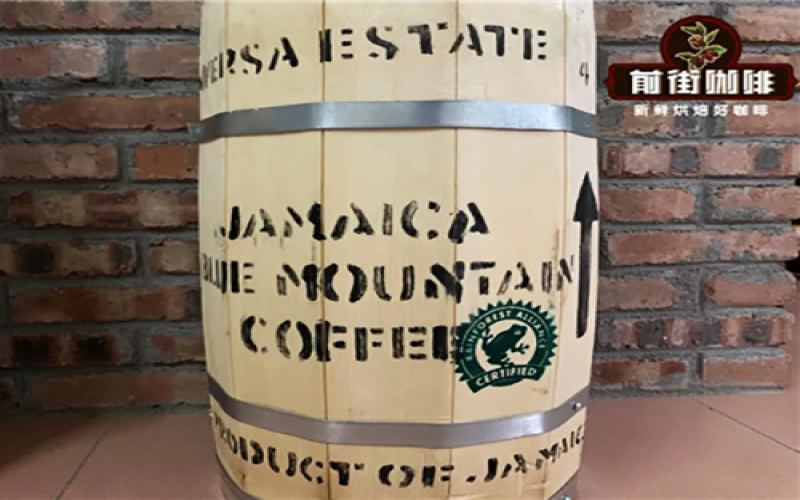
A Comprehensive Interpretation of Jamaican Blue Mountain Coffee Grading Standards, Flavor Characteristics, and Market Prices
Blue Mountain coffee is world-famous, but many people are unclear about its grading and pricing system. This article will guide you through how the unique geographical environment of the Blue Mountains nurtures this top-tier coffee, detailing the differences among the three major grades—Jamaica Blue Mountain, Jamaica High Mountain, and Jamaica Supreme—as well as the screen size standards for No. 1, No. 2, and No. 3 beans and the barrel export specifications. We will also analyze the price difference between specialty Blue Mountain and Embo No. 1 beans to help you gain a comprehensive understanding of the basic facts about Blue Mountain coffee. Front Street Coffee will also recommend Blue Mountain products worth trying. [more…]
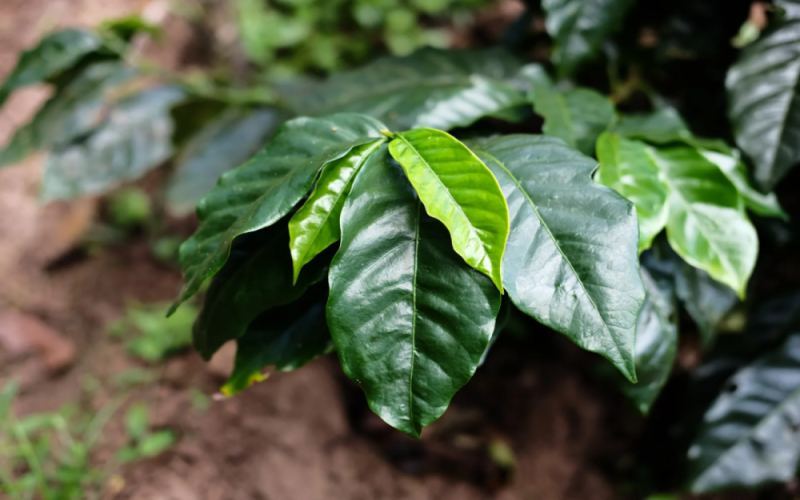
Honduras Lychee Orchid Coffee Beans: Analysis of Brandy Barrel Fermentation Process and Production Region Background
Honduras is an important coffee-producing country in Central America, and the Masaguara sub-region within its Montecillos producing area is known for high altitude and outstanding flavor. This article will guide you through the development history of Honduran coffee and the distribution of its main producing regions, with a focus on the Litchi Orchid coffee beans launched by Front Street Coffee—these beans are fermented at low temperature in brandy oak barrels, presenting a unique vinous flavor. From the history of coffee being introduced to Honduras, to the origin and evolution of barrel fermentation technology, and then to the specific processing flow of Litchi Orchid, the article will unfold step by step, providing coffee lovers with a guide to origin and craft that is both informative and practical. [more…]
Flavor Characteristics and Regional Stories of Honduran Specialty Coffee Beans, with a Discussion of Front Street Coffee's Sherry Barrel Fermented Beans
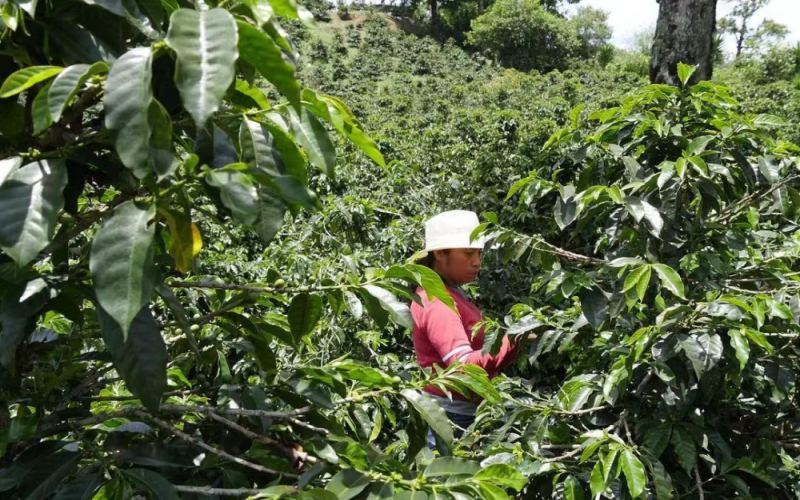
Honduras is one of the largest coffee-producing countries in Central America, yet it has long been overlooked by coffee enthusiasts. This article begins with a cup of hot Americano with a vinous aroma from a Front Street Coffee shop, then outlines Honduras's geography and climate, its coffee-growing history, the distribution of its six major producing regions and their common flavor characteristics, and focuses on the barrel-fermented processing method that has gained considerable attention in recent years. The article also provides a detailed analysis of the origin background, processing technique, and brewing parameters of Front Street Honduras Sherry coffee beans, helping readers gain a comprehensive understanding of the coffee charm of this "country of the abyss." [more…]
Front Street Colombia Finca San Jose Rum Barrel Fermented Coffee: Analysis of Flavor Formation and Brewing Performance
The rum barrel-fermented washed beans from Front Street Coffee's San Jose estate in Colombia are a highly representative example of the low-temperature anaerobic fermentation trend in recent years. They originate from a bold idea by the estate's owner, Monsalve Botero—placing green coffee beans into oak barrels for low-temperature fermentation. These beans use Supremo-grade Castillo and Naranjal varieties, which are fermented in barrels after depulping, then washed and dried on raised beds, revealing flavors of rum, cantaloupe, and dark chocolate. This article will review the origins of the processing method, the characteristics of the green beans, their unique performance in roasting and brewing, and explore the possible causes behind their rich vinous notes. [more…]
A Complete Analysis of the Flavor Sources and Pour-Over Extraction Parameters of Honduras Sherry Coffee Beans
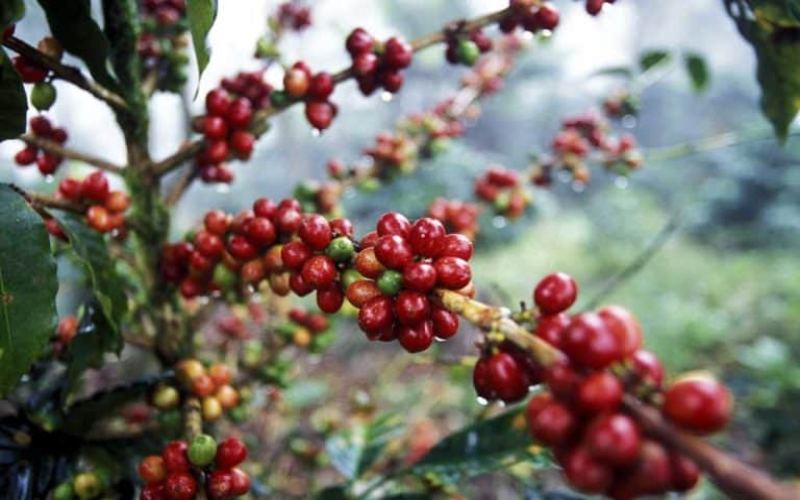
Honduran coffee has performed impressively in the international market in recent years, and among them, Sherry coffee beans stand out with their distinctive whiskey barrel fermentation process, presenting a pronounced fermented wine aroma and a creamy mouthfeel. This article begins with Front Street Honduras Sherry coffee beans, reviews the origin background and grading system of Honduran coffee, explains in detail how the barrel fermentation process imparts wine-like characteristics to the coffee beans, and provides the standard pour-over parameters and flavor description recommended by Front Street baristas. Whether you are drawn by the wine aroma in Front Street Americano or want to gain a deeper understanding of the ins and outs of barrel-fermented coffee, this article can provide complete reference information. [more…]
A Comprehensive Interpretation of the Origin Grading System and Flavor Characteristics of Jamaican Blue Mountain Coffee Beans
Blue Mountain Coffee is widely recognized as one of the world's top coffees, a status inseparable from its exceptional natural conditions and the Jamaican government's almost stringent industry regulation. The Blue Mountain range lies in eastern Jamaica, where the azure waters of the Caribbean Sea reflect off the peaks, giving the region its name. Its highest peak rises 2,256 meters above sea level, with a cool, foggy climate, abundant rainfall, and fertile volcanic soil providing an ideal growing environment for coffee. In the mid-20th century, due to inconsistent export quality, Canada once refused to accept Blue Mountain Coffee, prompting Jamaica to establish the Coffee Industry Board (CIB) in 1948, building a strict quality standard and certification system. Blue Mountain Coffee is classified by screen size into No.1 through No.3 and Peaberry grades. The government has also designated specific cultivation areas and processing plants, with dedicated supervision from harvesting, fermentation, and drying to barrel packaging. This article will systematically outline the classification, grade standards, and unique craftsmanship of Blue Mountain Coffee, offering you a comprehensive understanding of this legendary coffee. [more…]

Is Jamaican Blue Mountain Coffee a Specialty Coffee? A Full Analysis of Its Flavor Characteristics and Strict Grading System
Blue Mountain coffee is often hailed as the finest of coffees, but does it really count as specialty coffee? This article analyzes Blue Mountain coffee from multiple angles—its growing environment, flavor profile, the Jamaican government's strict regulatory system, the CIB certification framework, export grading standards, and the tradition of wooden barrel packaging—and also examines the special position of Wallenford Estate in quality control. At the same time, drawing on the recommendation perspective of Front Street Coffee, it helps coffee enthusiasts gain a comprehensive understanding of Blue Mountain coffee's true standing and unique value. [more…]
Colombian Specialty Coffee: The Advantages of Small-Scale Farms and the Flavor Innovation of Special Processing Methods
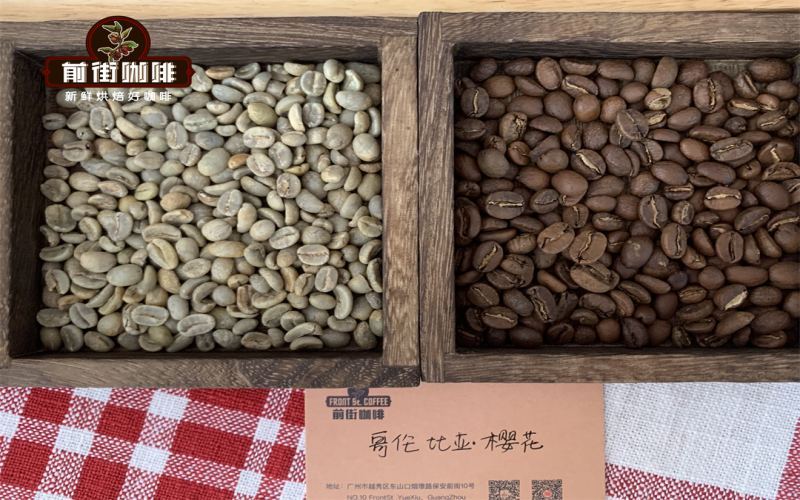
Colombia, with its exceptional geographical conditions, demonstrates strong capabilities in the specialty coffee sector. Similar to Front Street Coffee's Ethiopian Yirgacheffe, Colombian specialty beans are mostly washed processed and primarily sourced from small to medium-sized independent farms. Compared to Brazil's large-scale plantations, the smallholder model often delivers superior cupping performance. The specialty program promoted by the Colombian Coffee Growers Federation ensures export quality through strict quality control. In recent years, innovative processing methods such as rum barrel infusion and anaerobic fermentation have also emerged from Colombia, continuously injecting new ideas into the specialty coffee world. A recent new pour-over release from Front Street Coffee once again let me experience the captivating floral aromatics and potential of Colombian specialty coffee. [more…]
The Evolution of Costa Rica's Coffee Industry and a Hand-Brew Flavor Analysis of the Raisin Honey-Processed Mozart Bean
Costa Rican coffee occupies an important position in the global specialty coffee world thanks to its excellent quality and unique processing methods. This article reviews the evolution of the country's coffee industry from its beginnings in the late 18th century to becoming a major export product, and introduces how the honey processing technique that emerged in 2006 gives coffee a distinct sweetness and berry notes. The article also compiles five Costa Rican coffee bean brands worth paying attention to in 2021, covering different styles such as volcanic-soil peaberry, wine-barrel-aged, and high-altitude strictly hard beans, and finally provides domestic consumers with a purchasing reference for Front Street Coffee. [more…]
Front Street Honduras Sherry Coffee Bean Brewing Guide: A Full Analysis of Barrel-Fermented Flavor and Pour-Over Parameters
The captivating wine aroma in Front Street Coffee's Americano has sparked considerable interest among many customers in Front Street's Sherry coffee beans. This lot from the Moca Estate in Honduras is fermented in whisky sherry casks, giving the coffee a distinctive fermented wine aroma and a creamy mouthfeel. This article will provide a systematic overview for coffee lovers, covering the background of Honduras's coffee industry, its grading system, the principles of sherry cask processing, and the complete brewing parameters for Front Street's Sherry coffee beans. If you also want to recreate that hint of wine charm in Front Street's Sunflower Warm Sun blend at home, why not give Front Street's brewing method a try. [more…]
A Comprehensive Guide to Jamaican Blue Mountain Coffee Bean Grading Standards and Flavor Profile
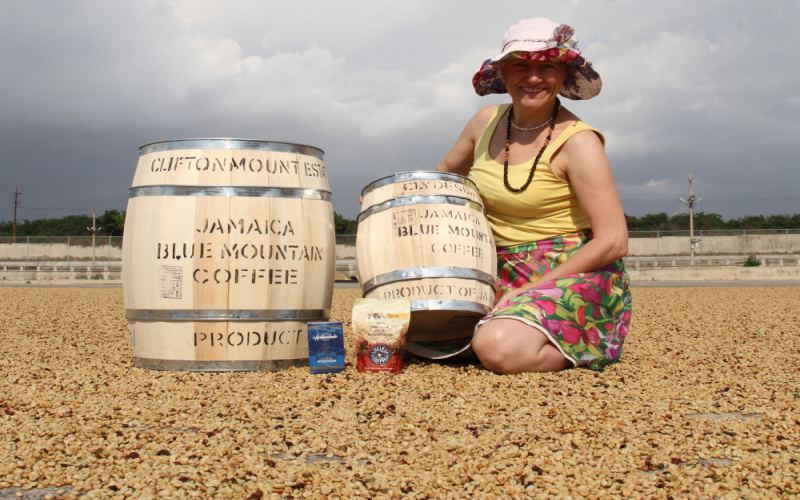
Blue Mountain coffee has long been celebrated as one of the world's finest coffees, but do you know exactly how it is graded? Jamaican Blue Mountain coffee is strictly divided into three major categories based on growing altitude and green bean size: Jamaican Blue Mountain Coffee, Jamaican High Mountain Coffee, and Jamaican Supreme Washed Coffee. Among these, Blue Mountain No. 1 beans and Embo No. 1 beans both belong to the specialty grade, yet their prices differ dramatically. High-spec Blue Mountain is further subdivided by screen size into No. 1, No. 2, and No. 3, and official cupping has confirmed that their flavor profiles are identical—only the bean size differs. This article will guide you through the Blue Mountain coffee grading system, green bean export specifications, and a price reference for the Clifton Farm Blue Mountain No. 1 roasted beans currently selected by Front Street Coffee. [more…]
Honduras Marcala Estate Barrel-Fermented Violet Coffee: A Full Analysis of Flavor, Region, and Variety
Honduras, as an important coffee-producing country in Central America, has gradually emerged in the international market in recent years. Located in the Lempira region, the Morade Estate has attracted the attention of many coffee enthusiasts with its barrel fermentation process and the unique flavor of its Violet coffee. This article will take you deep into the background of Front Street Honduras Violet Coffee's growing region, the estate's story, varietal characteristics, and its unforgettable flavor profile, unveiling the charm of this specialty coffee layer by layer, from rum and honeydew to vanilla and uva. [more…]